
Restoring Ecosystems,
Rebuilding Resilience.
Combining scientific best practices with territorial participation to create Nature-Based Solutions that generate environmental, social, and economic returns
Biodiversity is in steep decline
−69% in terrestrial wildlife populations
−85% in freshwater wildlife populations
Average decline in the size of monitored vertebrate populations between 1970 and 2020. Source: WWF & ZSL, Living Planet Report 2024.
This is an unprecedented ecological crisis — and its consequences extend far beyond nature.
The Challenge
Ecosystem degradation creates growing risks for businesses, including water scarcity, soil erosion and flooding. It places increasing pressure on public authorities to meet regulatory commitments, including those established by the EU Nature Restoration Regulation. And it threatens the livelihoods and well-being of communities that depend directly on healthy ecosystems.
Yet the services nature provides — clean water, fertile soils, flood protection, carbon storage and pollination — remain largely invisible in economic decisions, often becoming apparent only when they have been degraded or lost.
Here's what most companies don't realize.
Ecosystem restoration is not a cost. It’s an investment.
According to the European Commission, every €1 invested in restoration generates €8-38 in economic and social benefits through improved water quality, flood protection, carbon sequestration, agricultural productivity, and countless other ecosystem services.
But capturing these benefits requires:
Scientific rigor to understand what ecosystems can provide and what's missing
Community engagement so solutions are co-created, not imposed
Long-term thinking because ecosystems take decades to mature
Innovative financing so restoration remains funded beyond initial investment
That's what Riparia delivers.
What We do
From technical planning to field actions
At Riparia, we create Nature-Based Solutions, i.e. ecosystem restoration interventions that address environmental, social, and economic challenges simultaneously. We deliver complete, integrated restoration of natural and semi-natural ecosystems across three interconnected phases.
-
We assess ecosystem structure and functions and we map the mismatch between ecosystem services provided by nature and the ones requested by society. We engage with researchers, communities, authorities and business activities to co-create solutions and develop restoration plans that balance ecological and social needs.
-
We work on the ground, involving other experts from our network whenever is needed to bring plans to life, ensuring restoration interventions are carried out according to international scientific standards and local best practices.
-
We monitor ecological recovery involving researchers, other experts and communities. The data we gather are used to quantify ecosystem service improvements, creating awareness, and to carry out adaptive management. We develop innovative financing strategies to ensure restoration remains funded long term.
Who we Partner with
-

Private Companies
Whether managing physical risks (e.g. water scarcity, soil degradation, pollinator loss), meeting regulatory requirements (e.g. CSRD) and voluntary framework (e.g. TNFD, SBTN, IUCN RHINO), or developing nature-based innovation (e.g. regenerative agriculture, sustainable tourism), we provide scientifically rigorous restoration that reduces operational risks, generates credible reporting metrics, and supports authentic sustainability commitments.
-
Public Entities
Municipalities, regions, river basin authorities, and protected areas can meet EU Nature Restoration Regulation obligations through participatory projects with transparent impact measurement and innovative public-private financing approaches.
-
Cooperatives
Agricultural, forestry, and community cooperatives can integrate ecosystem restoration into their operations, improving land productivity, accessing new revenue streams, and demonstrating collective environmental stewardship that strengthens their positioning.
-
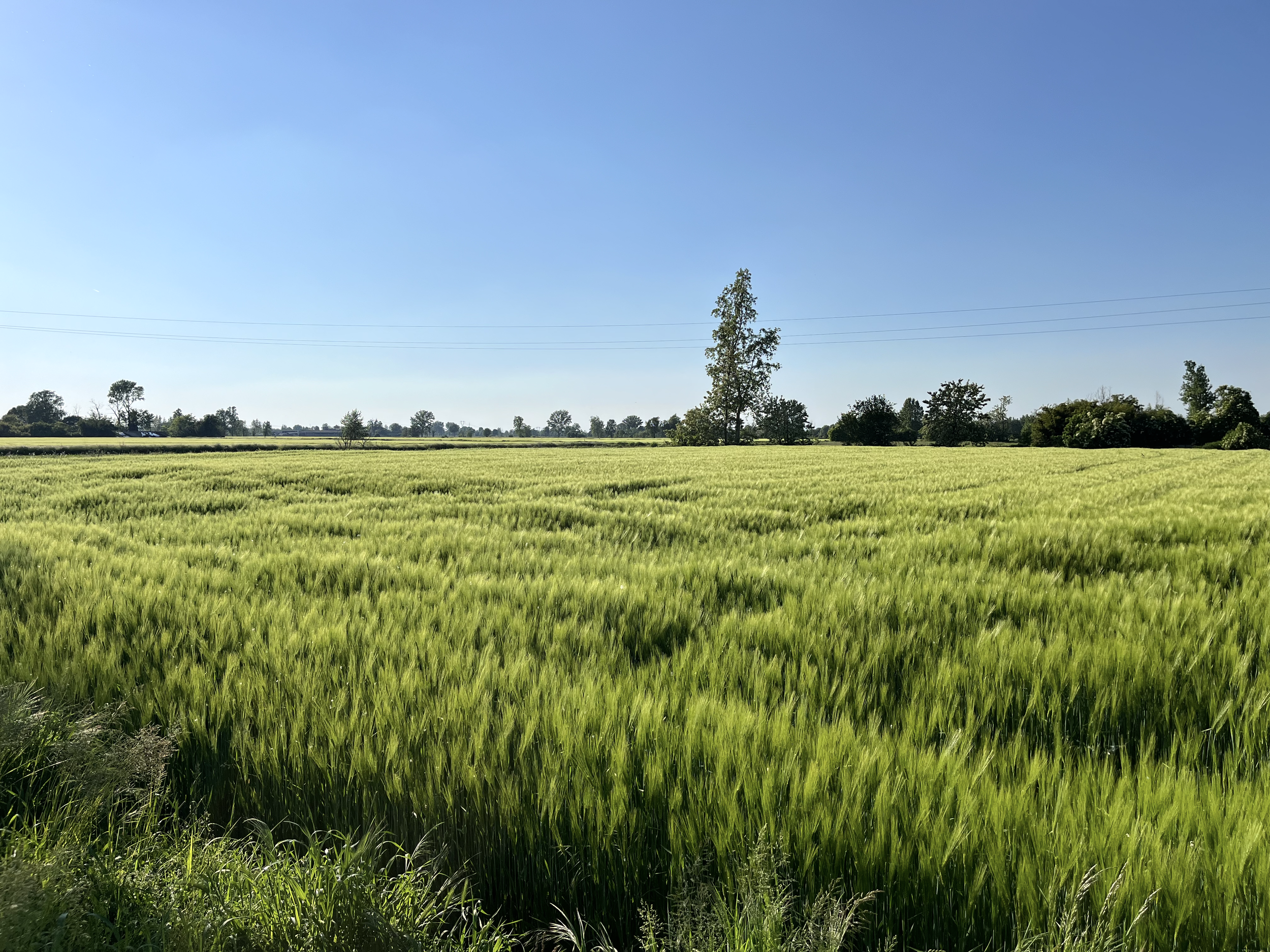
Landowners & Communities
Restoration that includes innovative financing mechanisms means landowners and communities can receive support for ecosystem stewardship, creating dignified livelihoods while regenerating landscapes.
Scientific Foundation
Our approach to restoration is built on international standards
SER/IUCN/FAO Standards for Ecological Restoration
UN SEEA for ecosystem accounting
INCA Tool & InVEST for ecosystem service valuation
TNFD, SBTN and IUCN RHINO alignment for corporate reporting
Without forgetting local best practices, i.e. Traditional Ecological Knowledge

We are an interdisciplinary group that connect science, people and territories to restore ecosystems.
Riparia is a non-profit cooperative and social enterprise that designs and delivers Nature-Based Solutions for ecosystem restoration, combining scientific expertise and local knowledge.
We work with researchers, communities, institutions and business activities to restore biodiversity, measure the value generated by ecosystem services, and create solutions that can last over time.
About Us
Contact Us
Interested in working together? Feel free to contact us via email (see About Us) or fill out some info in this form. We can’t wait to hear from you!