
What we Do

At Riparia, we bridge the gap between research, planning objectives and practical restoration of natural and semi-natural ecosystems. We integrate rigorous assessment, participatory science and innovative financing. Our approach is built on internationally recognized standards in combination with local best practices.
We deliver through a Hub & Spokes model thanks to which our core team of specialists collaborates with a network of scientific and territorial experts to bring each project to life.
Our Team brings together expertise in ecosystem restoration, environmental assessment, ecosystem service valuation and corporate biodiversity strategy across Europe.
To turn this experience into concrete action, we follow a structured process divided into three main phases.
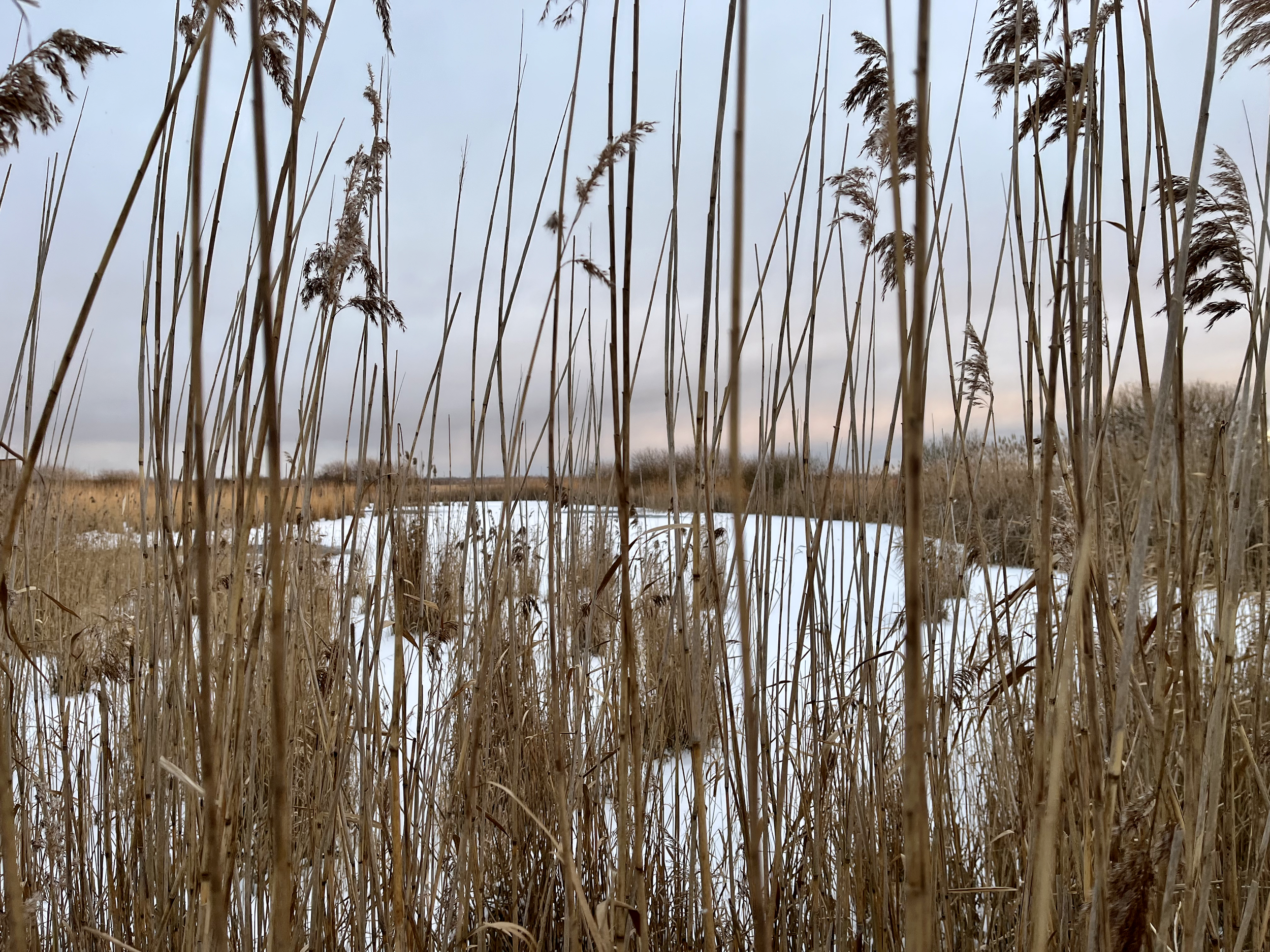
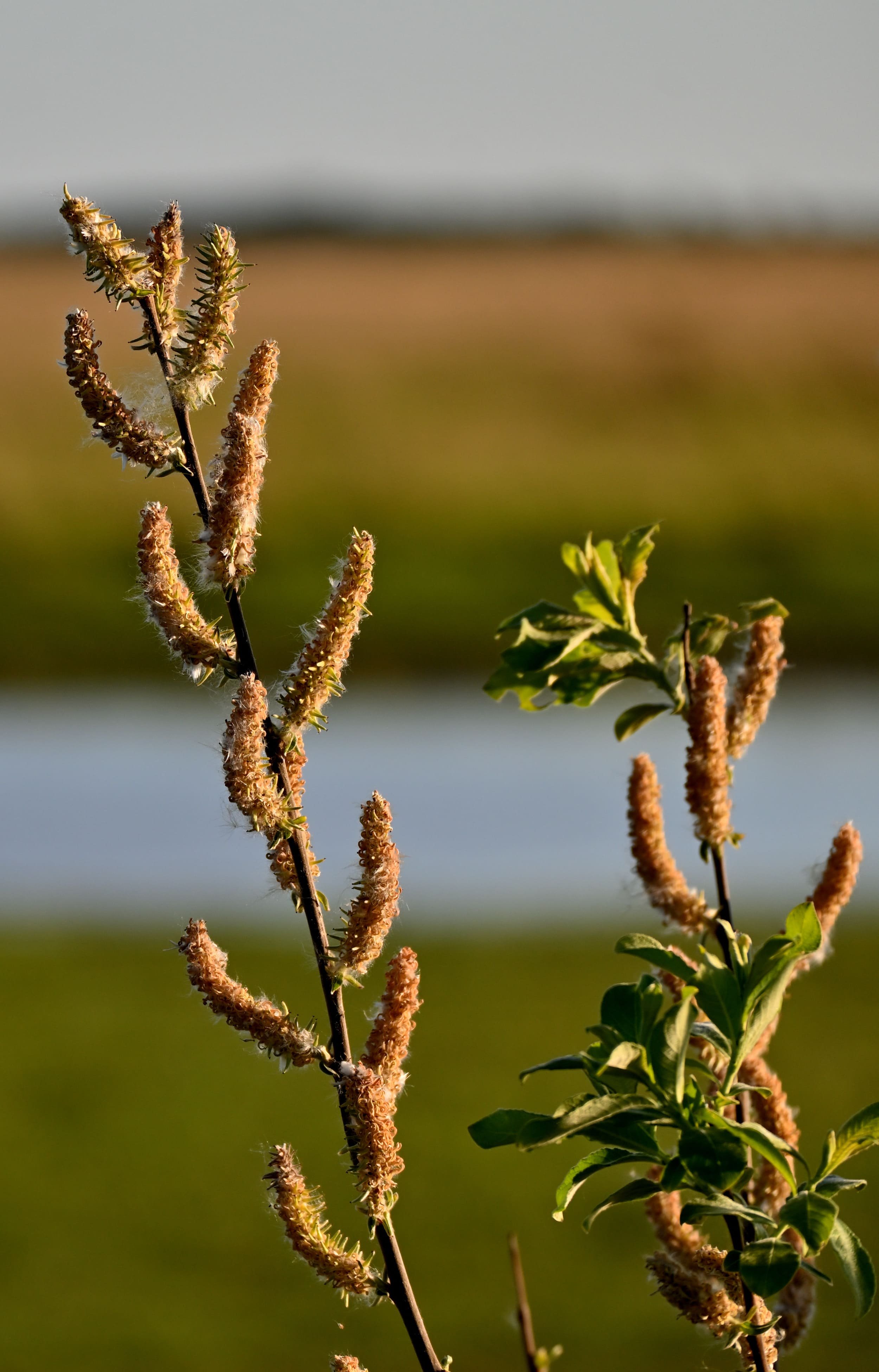
Phase 1: Understanding & Planning
Before any intervention, we need to understand the landscape, both ecologically and socially.
We start by assessing and selecting the ecological priorities already identified in the region: where are located the protected areas, the Nature 2000 sites and the other areas of biodiversity importance? What is the extension and condition of the local ecosystems and the status of the native species populations? Have ecological corridors been identified and what’s their status? Is there a regional ecological network in place?
We continue by mapping ecosystem services with cutting-edge geospatial modeling: what is nature currently providing in your territory? Clean water, fertile soil, flood protection, pollination, carbon storage? Where are the gaps between what nature offers and what society needs?
Using information and data already available, internationally recognized frameworks such as the United Nations System of Environmental-Economic Accounting — Ecosystem Accounting (UN SEEA EA) and tools (INCA Tool, InVEST), we create spatial maps showing where ecosystems and ecosystem services are thriving and where they are degraded, helping prioritize where restoration will have the greatest impact.
Then we engage communities and stakeholders. Successful restoration can't be imposed – it must be co-created. We facilitate participatory processes where researchers, landowners, farmers, local residents, authorities and business activities come together to:
Share local knowledge and priorities
Understand ecological opportunities and constraints
Collaboratively design restoration approaches
Establish governance structures for long-term management
Finally, we develop actionable plans that balance ecological ambition with social acceptance and economic viability. These plans specify what will be restored, how, when, and at what cost, aligned with international standards (SER, IUCN, FAO) and adapted to local contexts.
We also help mobilize funding by connecting private investment (corporate sustainability budgets, impact funds), public programs (EU grants, national funding), and innovative mechanisms such as Payment for Ecosystem Services or nature/biodiversity/water/carbon credits.

Phase 2: Implementing
With plans and funding in place, we do the physical restoration work.
This might involve:
Restoration of freshwater ecosystems to create habitat for aquatic and riparian species, to enhance existing ecological corridors and water quality
Wetland restoration to improve flood regulation and water quality
Creation of ecological islands and corridors that function as refuge areas and connect existing habitats
Agroforestry and other regenerative agricultural practices that regenerate soil and contribute to resilient production landscapes
We work through a Hub & Spokes model: our central team coordinates the overall project while working on the ground with researchers and other experts who bring ecosystem-specific or species-specific expertise, as well as contractors and local workers who add hands-on implementation capacity.
The first 3 years are critical. Newly restored ecosystems need active management: controlling invasive species, protecting young vegetation, responding to drought or flooding, replanting where establishment fails. We provide this adaptive support to ensure restoration takes hold.
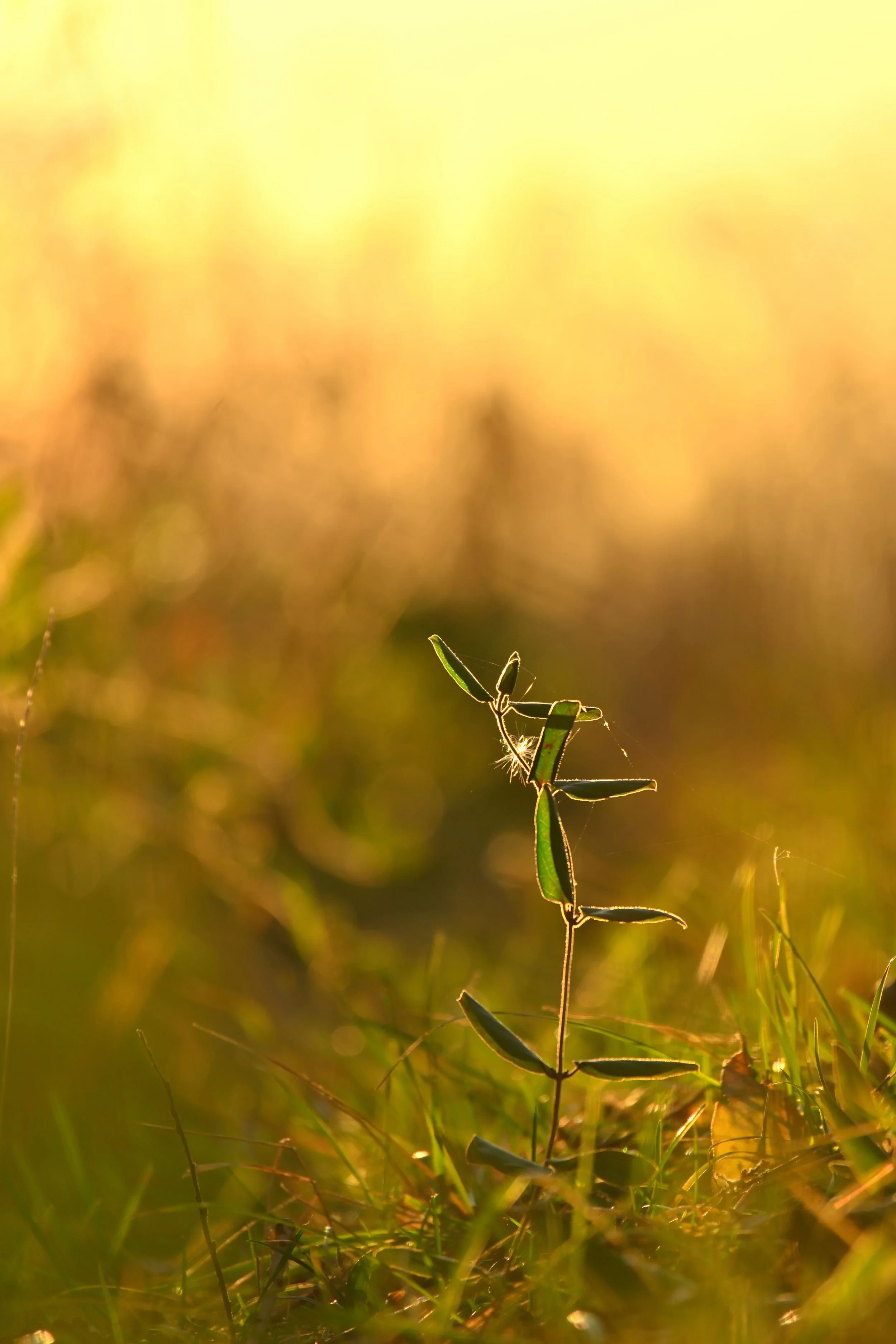
Phase 3: Measuring Impact & Adaptive Management
Restoration does not happen in three years. This is where Riparia’s approach becomes truly distinctive.
We monitor ecological recovery
Using scientifically robust protocols, we work with researchers, technical experts and local communities to track:
Establishment of native plant communities
Recovery of native fauna, including birds, insects, mammals and aquatic species
Improvements in soil health, such as organic matter, water retention and microbial diversity
Water quality and hydrological functions
Recovery of biogeochemical cycles
We combine traditional field surveys with innovative technologies, including drone-based vegetation analysis, acoustic monitoring of birds and bats, environmental DNA (eDNA), and camera traps for wildlife.
We measure the recovery of ecosystem services
We assess improvements in ecosystem services in physical and, where appropriate, monetary terms:
How much additional clean water is being stored or supplied?
How much has flood protection improved?
What benefits does restored pollination provide to nearby agriculture?
How much additional carbon is being stored?
Our monitoring produces more than project-specific indicators. It generates an assessment of ecosystem services using data structured according to the UN SEEA, the internationally recognized framework underpinning the European Union’s ecosystem accounts.
This makes results easier to compare and aggregate across projects and creates the potential for data to be shared with public authorities and institutions.
By connecting ecological recovery with measurable ecosystem-service benefits, we generate:
Evidence that helps local communities understand the value created by restored ecosystems
Data that can support corporate sustainability assessment and reporting, including alignment with CSRD, TNFD and SBTN
Information that helps public authorities evaluate outcomes and make the case for continued investment in restoration
We support long-term adaptive management
Monitoring results inform adaptive management over a period of at least 30 years, allowing interventions to respond to ecological change and emerging needs.
This long-term approach also provides the evidence needed to develop innovative financing mechanisms, including Payments for Ecosystem Services, helping to sustain the ecological and economic viability of restoration beyond the initial project period.
Why Choose Riparia's Services?
-
Scientific Rigor
Work is grounded in internationally recognized standards (SER, IUCN, FAO, UN SEEA), combining advanced analytical tools with peer-reviewed methodologies and direct collaboration with leading academic and research institutions.
-
Territorial Rootedness
Our Hub & Spokes model ensures each project is anchored in local expertise and best practices, with continuous engagement of communities and stakeholders, integrating traditional ecological knowledge and fostering long-term relationships on the ground.
-
Integration Across Services
Services are designed as a continuous system where assessments, planning, implementation, monitoring, adaptive management and financing are interconnected, allowing data and insights to flow across phases and ensuring a coherent, start-to-end approach to ecosystem restoration.
-
Measurable Impact
Impact is quantified through robust monitoring frameworks aligned with official EU and Member State methodologies, as well as corporate and regulatory standards, enabling data-driven management and credible, verifiable communication of results.
-
Financial Sustainability
We leverage transparent, science-based valuation of ecosystem services as well as innovative mechanisms such as Payment for Ecosystem Services to attract sustainable investments and ensure long-term viability of the projects. For at least 30 years.
Invest in regeneration
Contact us
Interested in working together? Feel free to contact us via email (see About Us) or fill out some info in this form. We can’t wait to hear from you!